

Testing Begins October 2026 - Schedule Today!!!
Testing Begins October 2026 - Schedule Today!!!
Is it ADHD? Anxiety? A Specific Learning Disability?
Comprehensive Psycho-educational Testing for Children Ages 6 - 16
Our Core Evaluation Services
ADHD & Executive Functioning
Specific Learning Disorders (Dyslexia, Dysgraphia, Dyscalculia)
Anxiety Disorders (GAD, OCD, etc.)
Depression & Mood Concerns
Our testing is led by clinical psychologist Dr. Rachael Herrington Roldan, Ph.D. and supported by psychometrist and former school psychologist, Ashley Freeman, Ed.S. This team combines Dr. Roldan’s more than 20 years of clinical experience with Ashley’s experience having managed thousands of hours of special education evaluations inside public school systems. Our reports are built to cross the bridge between a clinical setting and a school classroom. We design our summaries to align with Missouri DESE standards, giving your child’s school team the exact data points they need to streamline IEP and 504 plan eligibility.
The Evaluation Package
Includes:
In-depth information gathering with parent
Custom-tailored diagnostic testing battery (IQ, achievement, and emotional screening/evaluation)
Teacher rating scales
A comprehensive diagnostic report with personalized treatment and educational recommendations
Face-to-Face feedback session with Dr. Roldan
Optional educational consultation with Ashley Freeman, Ed.S. (for an additional cost)
Investment: $2500 flat fee per comprehensive evaluation
Meet the Testing Team
-
![]()
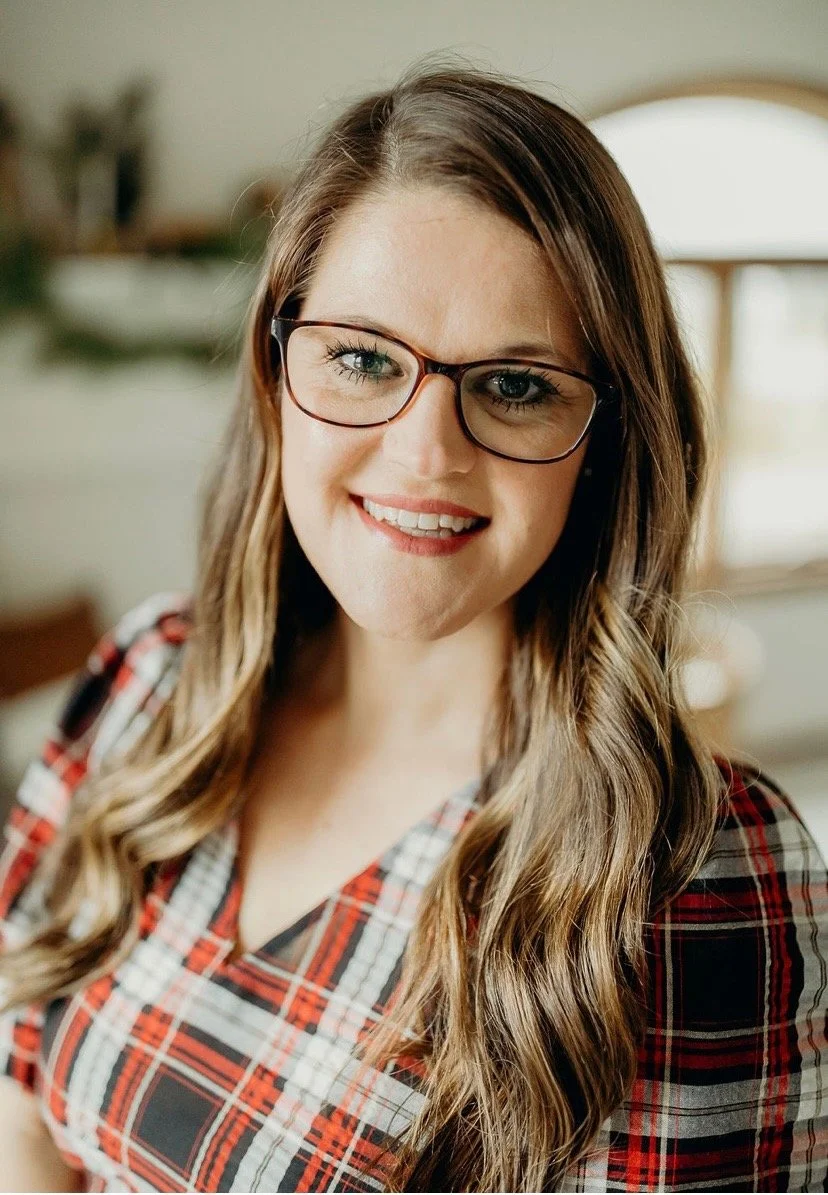
Dr. Rachael Herrington Roldan, Ph.D.
Clinical Psychologist
-
![]()
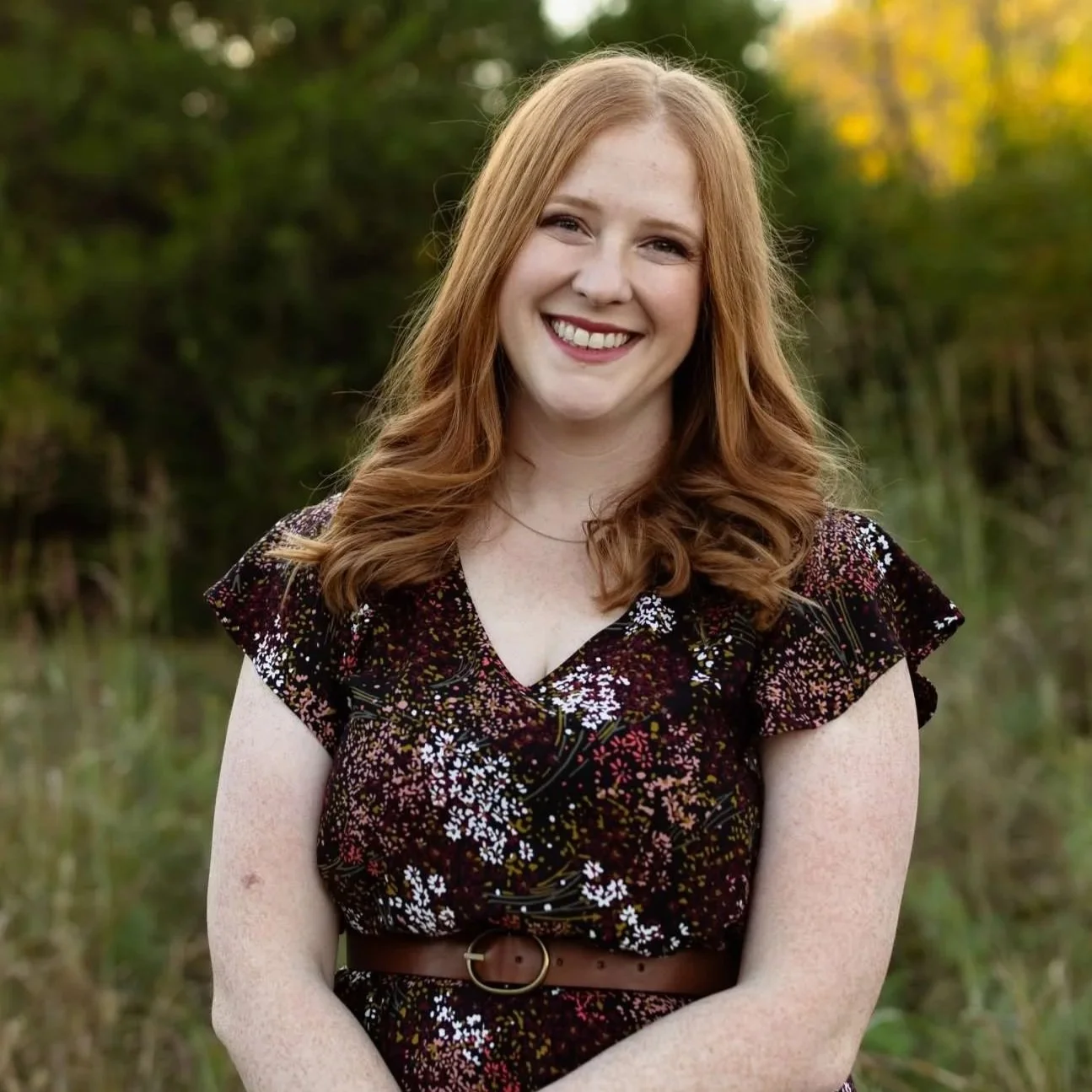
Ashley Freeman, Ed.S.
Psychometrist & Former School Psychologist
Understanding Comprehensive Evaluations: FAQs
-
Symptoms often manifest differently in children than they do in adults. Our goal is to look past the behavior to find the root cause:
ADHD: It isn't just "hyperactivity." It often looks like a struggle to start tasks, losing items constantly, or an inability to "filter" distractions, even when the child wants to succeed.
Anxiety: In children, anxiety frequently wears a mask of irritability or physical pain (like chronic stomachaches) rather than just "worry" .
Depression: Rather than sadness, many kids with depression appear angry, defiant, or socially withdrawn.
Specific Learning Disorder (SLD): This may look like "laziness" or "avoidance," but it is actually a brain-based difficulty with specific skills like phonics, reading fluency, or number sense.
-
The brain is complex. Anxiety can cause a child to "blank out," which looks exactly like Inattentive type - ADHD.
Conversely, a student with an undiagnosed Learning Disorder may become depressed or anxious because they feel "slow" compared to peers.
A comprehensive evaluation untangles these overlapping threads so we treat the right thing first.
-
Many offices use a single questionnaire to diagnose a child. At 417 Psych, we believe your child deserves more than a checklist. We use a comprehensive battery (WISC, WIAT, BASC, etc.) to look at IQ, academic skills, executive function, and emotional health. This "Gold Standard" approach prevents misdiagnosis and provides a complete psychological map.
-
Clinical psychologists are experts in diagnosis; school psychologists are experts in education law and school systems. Because our psychometrist, Ashley Freeman, is a former school psychologist, our reports aren't just clinical—they "speak school". We know exactly what information a school needs to bridge the gap between a diagnosis and classroom support.
-
Missouri school districts operate under DESE (Department of Elementary and Secondary Education) standards. A medical diagnosis doesn't automatically guarantee school help; the school must prove the condition has an "educational impact". We include these specific Missouri standards in our reports, providing the school team with the exact data points they need to move forward with IEP or 504 eligibility.
-
Our reports are designed to be a "plug-and-play" resource for schools. Parents can take our summary to a meeting to help the school team determine:
Eligibility for an IEP or 504 Plan.
Specific classroom accommodations (like extended time or quiet testing).
Evidence-based interventions tailored to the child's unique cognitive profile.
-
We recommend telling your child that they are coming in to do some "brain puzzles" and activities to help us figure out how they learn best. We make the environment comfortable and low-pressure; there are no "grades," and we take plenty of breaks.
-
This is actually valuable data! As experts in child behavior, we are trained to observe how a child handles frustration or fatigue. If a child is truly unable to perform, we will pause and reschedule, but seeing how they "hit a wall" often provides the most insight into the support they need in the classroom.
-
Our pricing is consistent with industry standards, though we know it is a sizable cost to many families. Psychological testing has a lot of costs that are hidden to the consumer, including licensing fees, per-usage test protocol costs, specialized equipment, and time behind the scenes scoring, synthesizing and interpreting data, and writing reports. In fact, most of the costs are hidden to the consumer.